

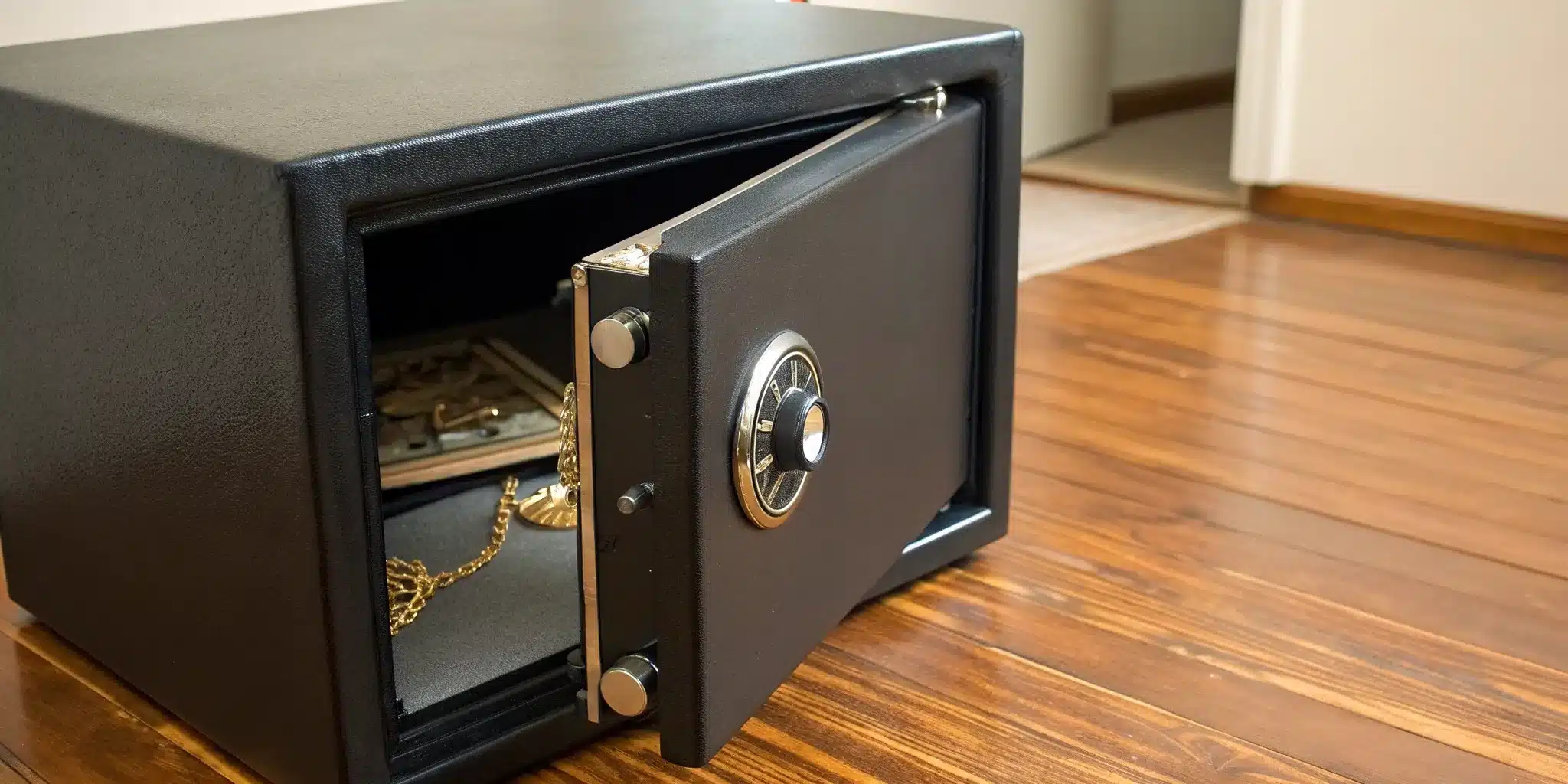
There’s a unique kind of frustration that comes from staring at a safe you own but can’t get into. Whether you’ve forgotten the sequence or are trying for the first time, that unmoving dial can feel like a real challenge. The good news is that opening a Sentry safe is less about force and more about following a precise, logical pattern. This guide is here to walk you through that process calmly and clearly. We’ll break down exactly how to open sentry safe 3 number combination locks, step by step. Before you even think about calling for help, let’s work through the sequence together and get that door open.
Key Takeaways
- The Dialing Pattern is Everything: Success lies in the sequence. Always clear the lock by turning left four times, then follow the 3-2-1 rule: turn right, passing the first number twice and stopping on the third pass; turn left, passing the second number once and stopping on the second pass; and finally, turn right directly to the third number.
- Know When to Stop and Call a Pro: If the combination is correct but the handle won’t turn, don’t force it. Applying pressure can break the internal mechanism. A jammed lock is your cue to contact a professional locksmith for a damage-free opening.
- Prevent Lockouts with Simple Habits: Keep your combination written down in a secure location outside of the safe itself. Get into the habit of testing the lock every few months to ensure it works correctly and to keep the sequence fresh in your mind.
How Sentry Safe Combination Locks Work
Before we jump into the step-by-step process, it helps to understand what’s happening inside your Sentry safe. Unlike digital keypads, a combination lock is a purely mechanical device. It doesn’t have a battery or a circuit board; it works using a series of wheels and notches that have to be lined up perfectly. Think of it as a tiny, precise puzzle inside your safe door. When you turn the dial in the correct sequence, you’re moving these internal parts into the exact position needed to release the bolt. This mechanical nature is why following the dialing instructions to the letter is so important. One small slip-up can prevent the lock from opening, but don’t worry—the system is very logical once you get the hang of it.
The Three-Number Combination System
Your safe’s security relies on a three-number combination that is much more than just three digits. The secret is in the sequence: the direction you turn the dial and the number of times you pass a number before stopping. Each number in your combination requires a specific set of rotations to align its corresponding wheel inside the lock. If you turn the dial too many or too few times, or go in the wrong direction, the internal parts won’t line up, and the safe will remain locked. It’s a simple but effective system that has been used for decades to keep valuables secure.
Key Parts of the Lock
The main part you interact with is the dial, but the real work happens inside. The dial is connected to a spindle that passes through several wheels, often called tumblers. Each tumbler has a notch, and your goal is to align all these notches by turning the dial. For example, an instruction like “turn the dial to the right past the first number twice, stopping on it the third time” is designed to catch the first tumbler and set it in place. Subsequent turns in the opposite direction engage the other tumblers without disturbing the ones you’ve already set. When all the notches are aligned, the locking bolt can retract, and the door will open. If this mechanism feels stuck or broken, it might be time to call in a professional locksmith.
What to Do Before You Start
Before you start spinning the dial, a little prep work can save you a lot of time and frustration. Taking a moment to get organized will make the process of opening your safe much smoother. Let’s walk through the two essential things you need to do first.
Find Your Combination
First things first, you need your combination. The original code is usually printed on a sticker on the front or back cover of the owner’s manual that came with your safe. If you can’t find the manual, think about where you might have written the numbers down for safekeeping. It’s always a good idea to store your combination in a secure location separate from the safe itself. Taking a few minutes to locate the correct sequence is the most important step, as you won’t be able to open the safe without it.
Gather Your Tools
Next, let’s get everything you need in one place. If your safe is brand new, make sure you’ve removed any shipping screws from the door. These are sometimes installed to prevent the locking mechanism from moving during transit. If your safe requires both a key and a combination, you’ll need to have the key handy. Insert the key, push it in, and turn it to the ‘unlock’ position before you begin entering the combination. If your key is lost or the lock feels jammed, you may need help from an emergency locksmith to avoid damaging your safe.
How to Open Your Sentry Safe, Step by Step
Opening a Sentry safe with a combination dial is all about precision. It’s a sequence that needs to be followed exactly, so take a deep breath and work through each step slowly. The key is to be patient and deliberate with every turn of the dial. If you try a few times and still can’t get it open, don’t force the handle or the lock. It might be a sign of an internal issue that requires a professional touch. Our team is experienced in safe opening and can get you access without damaging your safe or its contents. But first, let’s give it a try with these proven steps.
Step 1: Reset the Dial
Before you even think about entering your combination, you need to clear the lock. Think of it as wiping a slate clean to make sure no previous turns interfere with your attempt. To do this, turn the dial to the left (counter-clockwise) at least four full rotations. This action disengages all the internal tumblers and ensures the lock is fully reset. After you’ve completed the four turns, continue turning left until the zero on the dial lines up perfectly with the indicator mark at the top. Don’t rush this part—a proper reset is the foundation for a successful opening.
Step 2: Dial the First Number
Now, let’s enter the first number of your combination. Start turning the dial to the right (clockwise). You are going to pass the first number of your combination two times. On the third full rotation, stop precisely on your first number. For example, if your first number is 30, you will turn the dial clockwise, passing 30 twice, and then stop exactly on 30 the third time you arrive at it. Make sure the number is perfectly aligned with the indicator mark. Even being slightly off can prevent the lock from engaging correctly, so take your time to get it right.
Step 3: Dial the Second Number
With the first number set, it’s time to reverse direction for the second number. Turn the dial to the left (counter-clockwise). You will go past your second number once and then continue turning until you land on it the second time. For instance, if your second number is 65, you’ll turn the dial to the left, pass 65 completely, and then keep turning in the same direction until the dial points to 65 again. Stop exactly on the number. This two-turn sequence is crucial for aligning the second tumbler inside the lock mechanism.
Step 4: Dial the Final Number
You’re almost there! For the last number, switch directions one more time. Turn the dial back to the right (clockwise). This time, you don’t need to pass the number at all. Simply turn the dial until you reach the third and final number of your combination, and stop as soon as it aligns with the indicator. For example, if your last number is 20, just turn the dial to the right and stop directly on 20. There are no extra rotations on this final step, making it the most straightforward part of the sequence.
Step 5: Open the Door
Once the final number is locked in, the hard part is over. The dial should now be stationary. Firmly turn the safe’s handle downwards or clockwise, depending on your model. You should feel the bolts retract, and the door will swing open. If the handle doesn’t move, the combination was likely entered incorrectly. Don’t panic. Simply go back to Step 1 and try the entire sequence again, moving slowly and carefully. If it still won’t open after a couple of tries, it’s best to call a professional locksmith to avoid damaging the lock.
Safe Not Opening? Common Problems and Fixes
It’s incredibly frustrating when your safe won’t cooperate, especially when you need to get something important out of it. Before you get too stressed, let’s walk through some common issues and what you can do about them. Often, it’s a simple fix, but if not, knowing when to stop and call for help is key to protecting your safe and its contents.
Your New Safe Won’t Open
If you just brought your Sentry safe home and it’s not opening, don’t worry—it’s probably not broken. Many new safes are shipped with a small screw or bolt installed to keep the locking mechanism from moving around during transit. This is a common practice to prevent damage. Check your user manual for instructions on removing it. This shipping screw is usually located on the inside of the door, so you’ll need to open it first using the factory-set code. If you’ve already set your own combination, closed the door, and now it won’t budge, that little screw is likely the culprit preventing the lock from fully disengaging.
The Combination Isn’t Working
You’re positive you have the right numbers, but the handle won’t turn. The most common reason for this is a simple mistake in the dialing sequence. It’s easy to rush or pass a number by accident. Go back and carefully repeat the steps, making sure you’re turning the dial the correct number of times and stopping precisely on each number. If you’ve tried a few times with no luck, you can try entering the combination but adding or subtracting one digit from the final number. If that doesn’t work, you may need to recover your original combination directly from Sentry by providing proof of ownership.
The Lock Seems Jammed or Broken
If the dial feels stiff, makes a grinding noise, or the handle is completely stuck, you might be dealing with a jammed or broken mechanism. The first rule is: don’t force it. Trying to wrench the handle or smash the lock can cause permanent damage, making a professional repair more difficult and expensive. Sometimes, the bolt work can get stuck due to pressure against the door. Try gently pushing on the door while turning the handle to relieve some of that pressure. If it still feels jammed, it’s best to stop. Internal components can wear out over time, and forcing them can break them completely, leaving you with a much bigger problem.
When to Call a Professional
If you’ve tried everything and are still locked out, it’s time to call in an expert. A professional locksmith has the tools and experience to diagnose the problem without damaging your safe. Whether the lock has failed, you’ve lost the combination for good, or you simply can’t get it open, a skilled technician can help. Forcing a safe open almost always destroys it and can damage the contents inside. Instead, our team at Golden Key Locksmith NYC offers professional safe opening services across NYC to get you access to your valuables quickly and efficiently, often leaving the safe fully functional for future use.
What to Do If You’ve Lost Your Combination
It’s a sinking feeling—the combination you thought you’d never forget has completely vanished from your memory. Don’t panic. Forgetting or misplacing the combination to your Sentry safe is a common issue, and you have a few clear paths to get it open without damaging the lock or your valuables inside. The key is to follow a structured process, starting with the manufacturer and having your information ready. If that doesn’t work, a professional can always step in to help. Let’s walk through your options so you can get back into your safe.
Contact Sentry Support
Your first move should be to contact SentrySafe directly. As the manufacturer, they have a secure and established procedure for helping owners regain access to their safes. You can visit their website to start the combination recovery process, where you’ll find instructions specific to your safe’s model. They handle these requests all the time, so it’s the most straightforward way to get the correct combination without any guesswork. Just be prepared to prove you’re the rightful owner of the safe.
Prepare Your Documentation
Before you reach out to Sentry, gather a few key items to make the process smoother. You will need to provide the safe’s model number and serial number, which are usually located on a small label on the outside of the safe. Sentry also requires you to complete a form confirming your ownership, and this document must be notarized. This step is for your own security to ensure no one else can get your combination. Be aware that there is typically a small fee for this service, so have a payment method ready.
Your Recovery Options
If you can’t get the combination from Sentry or need access to your safe immediately, your next best step is to call a professional. A licensed locksmith has the tools and expertise to open your safe without destroying it. This is especially important if the lock is malfunctioning or if you’re in a time-sensitive situation. For urgent needs, an emergency locksmith can provide a quick solution. Whatever you do, avoid trying to force the safe open yourself. Prying or drilling can permanently damage the locking mechanism and often costs more to repair than a professional service call.
How to Maintain Your Safe’s Lock
A safe is only useful if you can get into it when you need to. A little bit of preventative care for your Sentry safe’s lock can save you a lot of stress down the road. Just like any mechanical device, the lock mechanism benefits from proper handling and regular checks to ensure it operates smoothly for years. By building a few simple habits, you can keep your safe in top condition and make sure your valuables are always accessible to you—and only you. These straightforward maintenance tips will help you protect your lock from damage and prevent frustrating lockouts.
Test It Regularly
It’s a good idea to get into the habit of testing your safe’s combination every few months. This simple check ensures everything is working correctly and helps you commit the combination to memory. Before you place any new or important items inside, you should always test your combination a few times to confirm it opens without a hitch. This practice helps you catch any potential issues with the lock mechanism early on. Think of it as a quick fire drill for your safe—a few seconds of prevention can spare you the headache of being unable to access important documents or valuables when you need them most.
Keep Your Combination Secure
Your safe’s combination is often printed on the back of the owner’s manual. It’s critical to keep this in a safe place—and by that, we mean somewhere other than inside the safe itself! Storing the combination inside the safe is a common mistake that can lead to a difficult situation if you forget the numbers. Consider storing the manual in a secure filing cabinet, a bank deposit box, or with a trusted family member. You could also save a digital copy in a secure password manager. The key is to have a reliable way to retrieve your combination if you ever forget it.
Follow Basic Lock Care
Properly caring for the physical lock will extend its life and keep it functioning correctly. If your safe is brand new, double-check that any shipping screws have been taken out from the door, as these can prevent the lock from operating. When you’re dialing the combination, use a gentle and steady hand. It’s important to avoid forcing the lock if it feels stuck or resistant. Applying too much pressure can damage the delicate internal components, leading to a bigger problem. If the dial feels jammed or the handle won’t turn, it’s better to stop and assess the situation than to risk breaking the mechanism. If you suspect a problem, it may be time to call for professional safe opening services.
Related Articles
- 5 Signs Of The Best Safe Opening Company
- Family Safety: Creating A Secure Home (Guide)
- Safe Locksmith
Frequently Asked Questions
What’s the most common mistake people make when trying to open their safe? By far, the most frequent issue is simply rushing the dialing sequence. It’s very easy to lose count of the rotations or to stop just slightly past the number instead of directly on it. The lock’s internal mechanism is precise and has no room for error. Slowing down, being deliberate with each turn, and making sure the number aligns perfectly with the indicator mark will solve the problem most of the time.
I messed up the dialing sequence halfway through. Do I have to start all over? Yes, you do. Think of the lock as a mechanical puzzle where every step builds on the last. If you make a mistake, you can’t just go back one step. You need to clear the internal wheels completely and give them a fresh start. Just turn the dial to the left at least four full times to reset everything, and then begin again from Step 1.
Can I change the factory-set combination on my Sentry safe? For most Sentry safes that use a mechanical combination dial, the combination is set at the factory and cannot be changed. This is a permanent feature of the lock’s design. If you’re concerned about someone else knowing the code, your best bet is to ensure you store the original manual securely. If having a customizable code is important to you, you might consider a safe with a digital keypad.
My combination used to work perfectly, but now it won’t open the safe. What could be wrong? If you’re certain you’re dialing the sequence correctly, there could be a couple of things happening. Sometimes, the contents of the safe can press against the door, putting pressure on the locking bolts and preventing them from retracting. Try pushing firmly on the door while turning the handle. If that doesn’t work, it could be a sign of an internal mechanical issue, like a worn-out part.
Is it a good idea to spray lubricant like WD-40 into the lock if the dial feels stiff? Please don’t do this! While it seems like a logical fix, lubricants can do more harm than good to a safe lock. They attract dust and dirt, which can gum up the delicate internal components and cause a much bigger problem down the line. A stiff dial is usually a symptom of an internal issue that needs to be looked at by a professional, not a lack of lubrication.
Need professional help in NYC? Contact Golden Key Locksmith NYC for Manhattan Locksmith Services or Apartment Lockout Help. Available 24/7 across Manhattan and all NYC boroughs.