

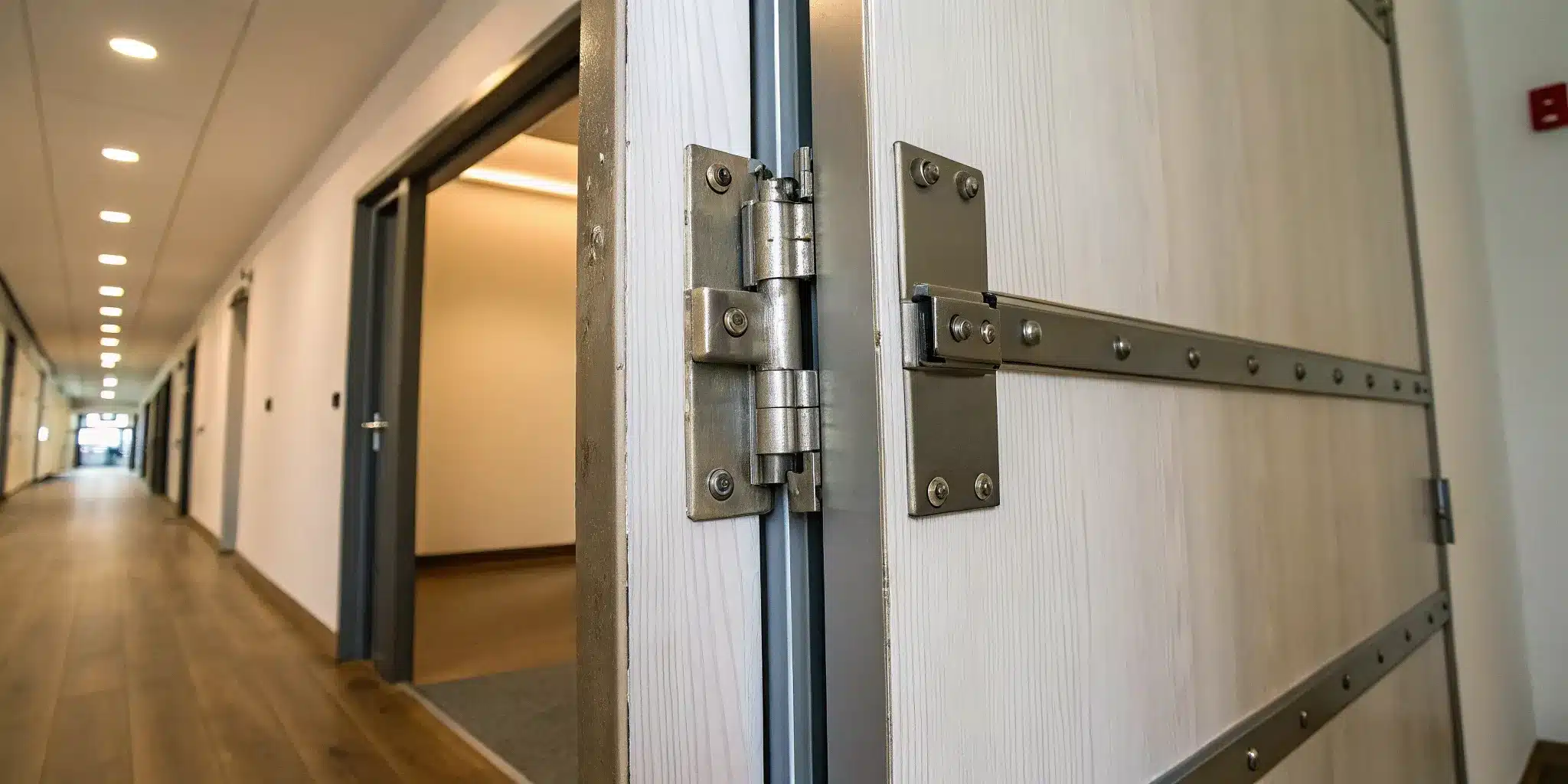
Fire Door Installation in NYC: Ratings, Hardware, and Code Basics
Fire door installation is not the same as hanging a standard door. A fire door is a complete rated assembly: door, frame, hinges, closer, latch, seals, glazing if present, and approved hardware all working together to slow the spread of fire and smoke.
If one part is wrong, the opening may not perform as rated. That is why fire-rated doors need careful planning, correct materials, and professional installation.
What makes a door fire-rated
A fire-rated door is tested to resist fire for a specific period, often 20, 45, 60, or 90 minutes. The rating only matters if the full assembly is installed as required by the manufacturer and applicable code.
The frame, hinges, latch, closer, seals, and any vision lite or glazing must be compatible with the rating. A rated slab in a standard frame is not a complete fire-rated opening.
For the target hub, connect this article to Fire-Rated Doors. Useful related hubs include Door Repair and Installation, Commercial Doors.
Key parts of a compliant fire door
A fire door needs rated hinges that can support the door under heat. It needs a positive latch so the door stays closed in the frame. It usually needs a self-closing device so the door is not left open when it is needed most.
Intumescent strips expand when exposed to heat and help seal gaps against flames and hot gases. Smoke seals help slow smoke movement before heat activates the intumescent material. The correct gap around the door is also critical.
Installation steps that matter
A professional fire door installation starts with the frame. The frame must be square, plumb, level, properly anchored, and packed or sealed with approved fire-rated material where required.
The door is then hung with rated hinges and checked for correct clearances. Hardware is installed according to the manufacturer instructions. Seals are fitted, the closer is adjusted, and the latch is tested repeatedly.
The final test is simple but important: the door should close by itself, latch securely, and not drag, bind, or bounce open.
Common mistakes to avoid
The most common mistakes are using non-rated hardware, leaving gaps too large, installing the wrong screws, omitting intumescent pads around hardware, using a standard closer, or propping the door open after installation.
Another common issue is treating a fire door as only a security door. Security matters, but egress and fire protection cannot be compromised. Locks, panic hardware, and access control must be selected with the fire rating and exit path in mind.
Cost and planning considerations
Costs vary based on rating, door material, frame condition, hardware, finish, and whether the opening needs repair before installation. A simple replacement in a good frame is different from installing a new rated frame, closer, latch, and seals in a damaged opening.
Ask for a quote that separates the door, frame work, hardware, labor, and any inspection or documentation needs. The installer should also identify whether the opening is residential, commercial, corridor, stair, mechanical room, or another code-sensitive location.
FAQ
Can any contractor install a fire door?
A fire door should be installed by someone who understands rated assemblies, manufacturer instructions, hardware compatibility, and local code requirements. It is not ordinary carpentry.
Does the closer matter on a fire door?
Yes. A fire door must close and latch on its own to perform during a fire. A missing or poorly adjusted closer can defeat the purpose of the door.
Can fire doors have locks or panic bars?
Yes, but the hardware must be compatible with the rated opening and egress requirements. Fire exit hardware may be required on some commercial exits.